- 7 sights
- 0 h 55 min
- 4.62 km / 2.87 mi

Sights
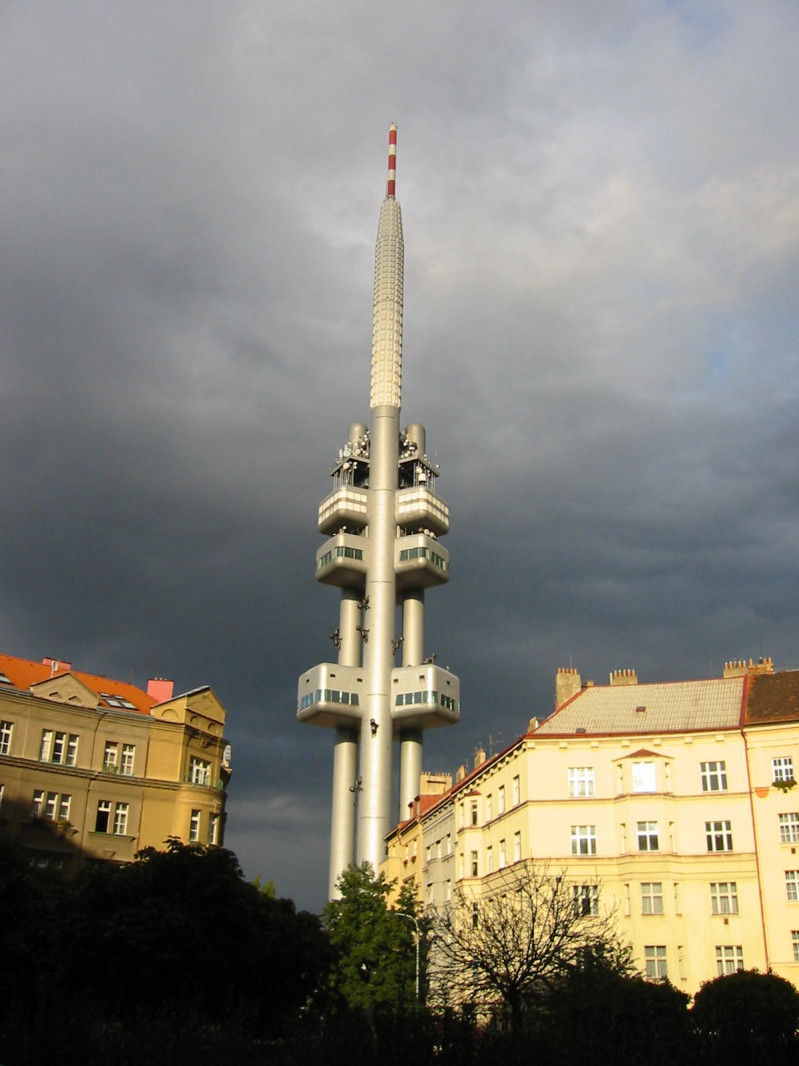
Zizkov Television Tower
The Žižkov Television Tower (Czech: Žižkovský vysílač) is a unique transmitter tower built in Prague between 1985 and 1992. Designed by the architect Václav Aulický and the structural engineer Jiří Kozák, it stands high above the city's traditional skyline from its position on top of a hill in the district of Žižkov, from which it takes its name. The tower is an example of high-tech architecture.
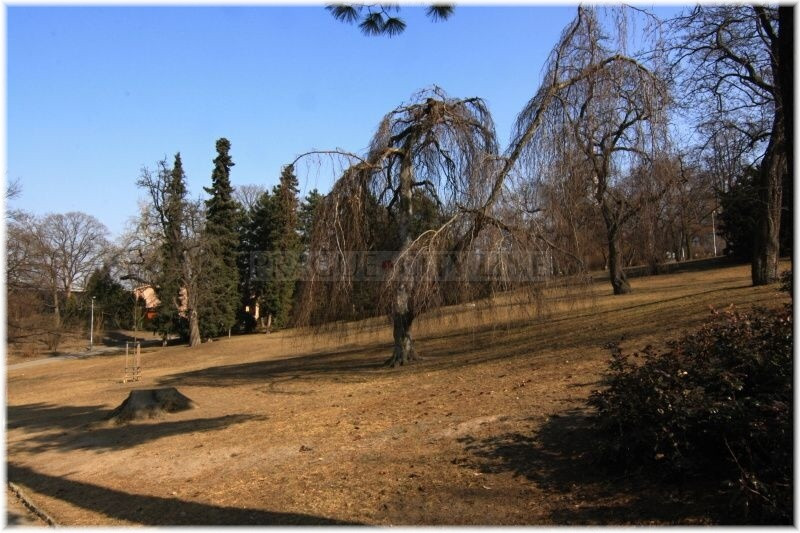
Rieger Gardens
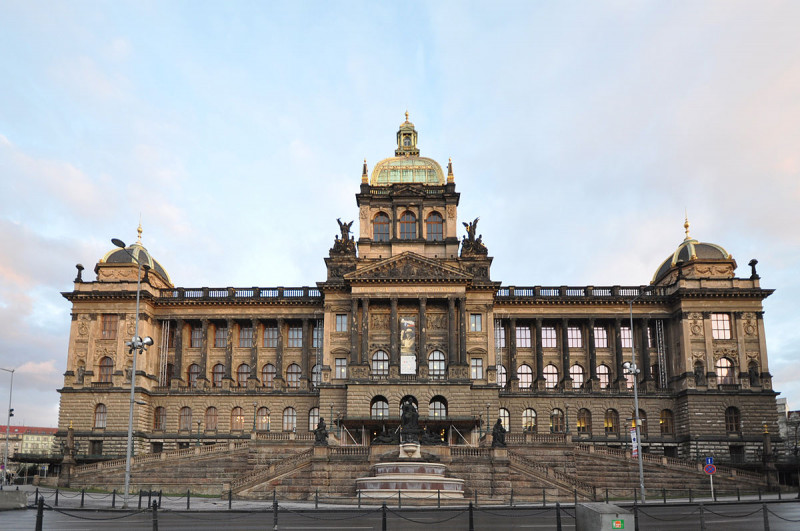
National Museum
A national museum is a museum maintained by a state. In many countries it denotes a museum run by the central government, and often is restricted to a few museums, mostly in the capital, while other museums are run by regional or local government, or foundations. In other countries a much larger number of museums are run by the central government, some quite small. Some national museums use the term in their name, but others do not; some museums just adopt the term as a matter of branding. The following is an incomplete and not very reliable list of national museums:
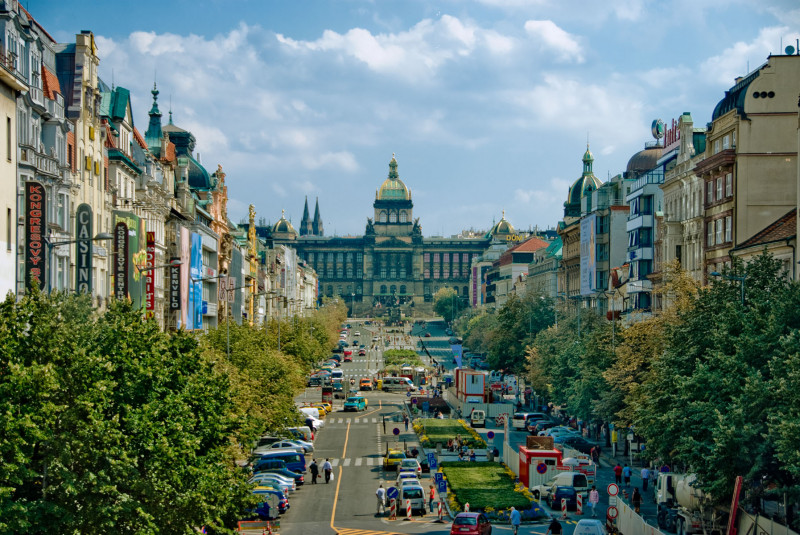
Wenceslas Square
Wenceslas Square (Czech: Václavské náměstí [ˈvaːtslafskɛː ˈnaːmɲɛsciː], colloquially Václavák [ˈvaːtslavaːk]) is one of the main city squares and the centre of the business and cultural communities in the New Town of Prague, Czech Republic. Many historical events occurred there, and it is a traditional setting for demonstrations, celebrations, and other public gatherings. The square is named after Saint Wenceslas, the patron saint of Bohemia. It is part of the historic centre of Prague, a World Heritage Site. Formerly known as Koňský trh (Horse Market), for its periodic accommodation of horse markets during the Middle Ages, it was renamed Svatováclavské náměstí (English: Saint Wenceslas square) in 1848 on the proposal of Karel Havlíček Borovský.
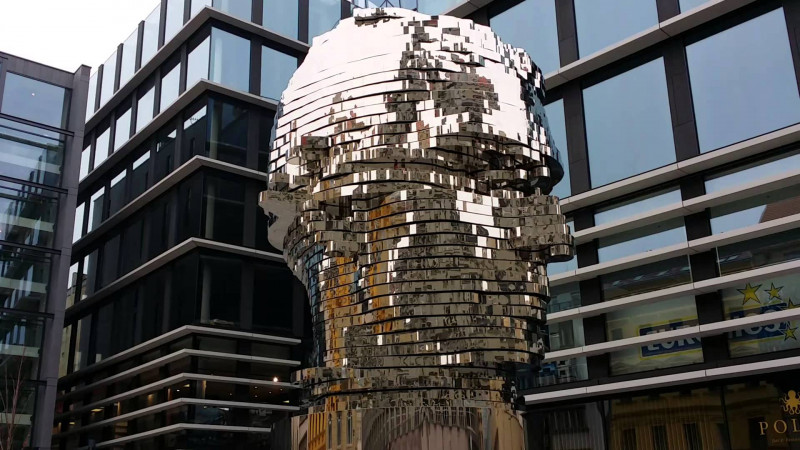
Head of Franz Kafka
The Head of Franz Kafka (Czech: Hlava Franze Kafky), also known as the Statue of Kafka, is an outdoor sculpture by David Černý depicting Bohemian German-language writer Franz Kafka, installed outside the Quadrio shopping centre in Prague, Czech Republic. The kinetic sculpture is 11 metres tall and made of 42 rotating panels.
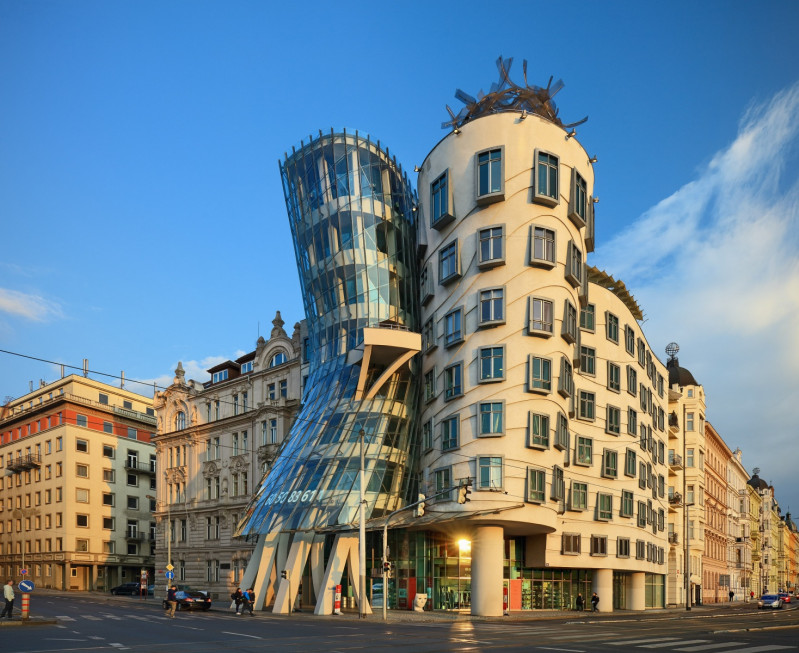
Dancing House
The Dancing House (Czech: Tančící dům), or Fred and Ginger, is the nickname given to the Nationale-Nederlanden building on the Rašínovo nábřeží (Rašín Embankment) in Prague, Czech Republic. It was designed by the Croatian-Czech architect Vlado Milunić in cooperation with Canadian-American architect Frank Gehry on a vacant riverfront plot. The building was designed in 1992 and completed in 1996. The very non-traditional design was controversial at the time because the house stands out among the Baroque, Gothic and Art Nouveau buildings for which Prague is famous, and in the opinion of some it does not accord well with these architectural styles. The then Czech president, Václav Havel, who lived for decades next to the site, had avidly supported this project, hoping that the building would become a center of cultural activity. Gehry originally named the house Fred and Ginger (after the famous dancers Fred Astaire and Ginger Rogers – the house resembles a pair of dancers) but this nickname is now rarely used; moreover, Gehry himself was later "afraid to import American Hollywood kitsch to Prague", and thus discarded his own idea.
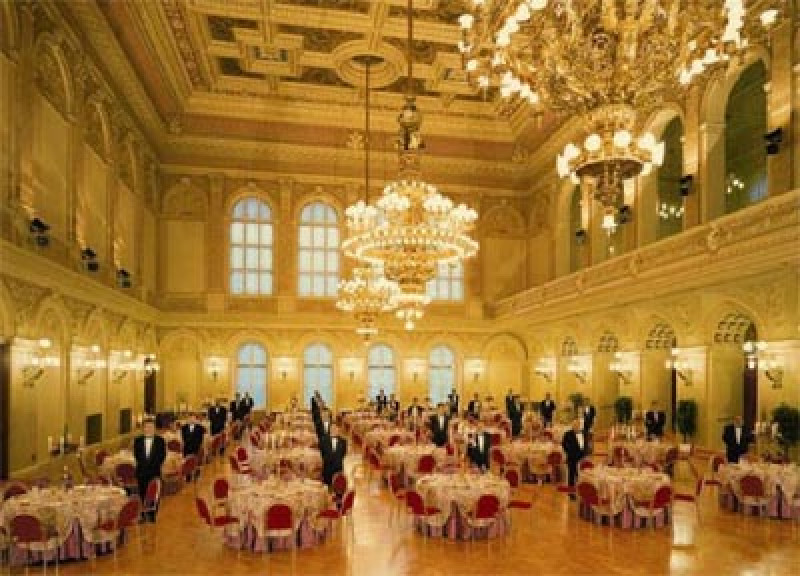
Zofin Palace
Žofín Palace is a Neo-Renaissance building in Prague, in the Czech Republic. It is a cultural centre, a venue for concerts, balls, conferences and exhibitions. It is situated on Slovanský Ostrov (Slavonic Island, or Slavic Island), an island in the river Vltava in Nové Město (New Town) in the city.
Share on Pinterest
